
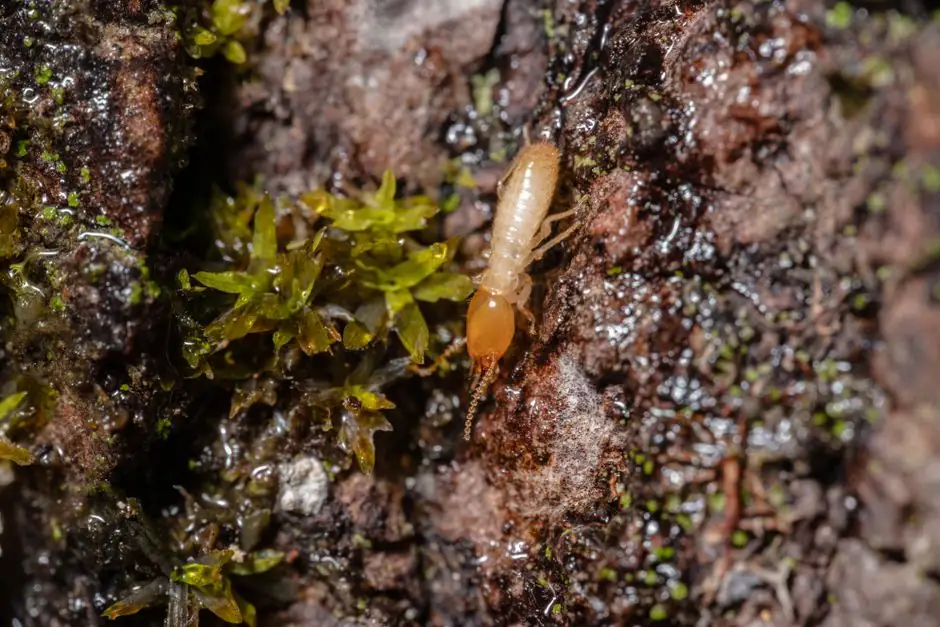
Paterson homes, especially those located near low-lying flood zones or near the Passaic River, often face severe water damage during storm seasons. While drying out your basement and salvaging personal belongings are the immediate priorities after a flood, there is another silent threat that moves in quickly: subterranean termites.
Termites thrive on high moisture levels and water-logged structures. In this comprehensive guide, we'll explain why flooding triggers termite vulnerability and how you can safeguard your property immediately.
Post-Flood Termite Vulnerability in Paterson
Subterranean termites require continuous moisture to survive. Under normal circumstances, they stay deep in the soil, constructing mud tubes to access wooden structures. However, after a flood, the landscape changes in their favor. Saturated soil and waterlogged foundation framing provide termites with the perfect pathway directly into your home's structural support systems.
- Waterlogged structural timber becomes soft and easy for termites to chew.
- Saturated crawl spaces create a humid environment, allowing termites to tunnel without drying out.
- Flooding can disrupt existing soil termite barriers, leaving your home unprotected.
The Passaic River Flood Impact on Foundations
Paterson neighborhoods like Paterson, South Paterson, and sections near the Great Falls have long histories of flooding. When water levels rise, floodwaters carry mud, organic debris, and heavy moisture into basement foundations and crawl spaces. This moisture gets trapped behind walls, under floorboards, and inside sill plates.
Even after floodwaters recede, the wood framing remains damp for weeks. This persistent moisture acts as a homing beacon for local subterranean termite colonies looking for new wood resources.
Steps to Dry Out Crawlspaces and Basements
Rapid moisture reduction is the single most effective way to prevent post-flood termite colonizations. Take these steps as soon as it is safe to enter your property:
- Extract standing water: Use sump pumps or wet vacs to clear all pools of water immediately.
- Remove water-logged materials: Dispose of wet drywall, carpet, and saturated fiberglass insulation, which trap moisture against structural sill plates.
- Deploy high-capacity dehumidifiers: Keep crawl spaces closed while running commercial dehumidifiers to pull moisture out of the floor joists.
- Ensure proper ventilation: Once bulk water is removed, open crawl space vents or use fans to maintain airflow and lower overall humidity.
Inspecting for Subterranean Mud Tubes
As you dry out your basement or crawl space, keep a close watch for signs of active termite migration. Subterranean termites construct pencil-thin mud tubes made of soil, wood, and saliva to travel from the ground to the wood without exposure to air.
Check foundation walls, floor joists, sills, and supports. If you see mud tubes, do not break them all immediately—leave some intact for a professional technician to evaluate and apply targeted treatments.
Professional Mitigation & Prevention Solutions
Standard flood cleanups do not include termite mitigation. Because floodwaters wash away chemical barriers in the soil, you will need a professional pest control technician to assess and re-establish your protective barriers.
A professional termite prevention program will usually involve installing localized bait stations or applying liquid termiticides along the foundation to ensure any migrating colonies are intercepted before they reach your home's framing.
Frequently Asked Questions
Why do floods attract termites?
Flooding oversaturates the soil and waterlogs structural wood, providing subterranean termites with the moisture and soft wood they need to survive and colonize.
How soon after a flood can termites attack a house?
Termites can be attracted to wet wood within a few days to a few weeks post-flooding. Subterranean termites are highly moisture-dependent and migrate to wet foundation zones quickly.
Should I get a termite inspection after my basement floods?
Yes. Once the home is dried out, a professional termite inspection is highly recommended to ensure water-damaged sills and framing have not been compromised.
How do I dry out my crawl space to prevent termites?
Use high-capacity dehumidifiers, clean out wet insulation and debris, ensure crawl space vents are clear, and consult professionals for vapor barrier replacement.
Get help with Termite Control in Paterson
Ensure your home is fully protected after water damage. Contact Termite Control Paterson at +1 (862) 288-2865 to schedule a post-flood termite inspection or to restore your chemical prevention barriers.